
Application
Relying on MIT & NJUST,Hold core technologies
Pedelec & Electric Motorcycle
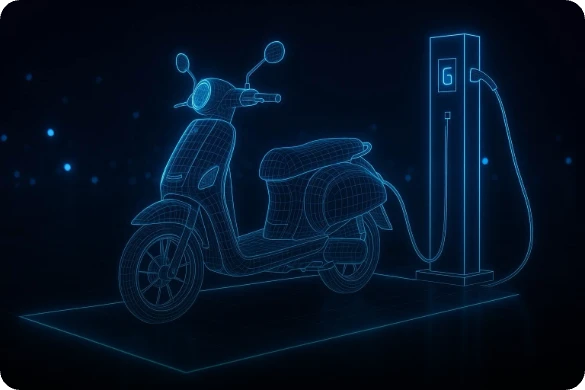
Battery Life Technology
Compared with lead-acid batteries, high-energy-density sodium batteries significantly improve the endurance of two- and three-wheeled electric vehicles, meet the needs of urban commuting, and improve user experience.
Low self-discharge rate
Sodium batteries have a lower self-discharge rate than lead-acid batteries, reducing energy loss, thereby reducing the frequency and cost of long-term maintenance and battery replacement.

Super fast charging
Sodium battery supports fast charging, up to 5C, so that the sodium-ion battery can be charged to 100% within 12 minutes, meeting the timely use needs of two-wheeled and three-wheeled electric vehicles.
High charging efficiency
Sodium batteries are more efficient to charge in low temperature environments, reducing the number and time of charging due to environmental factors, and reducing maintenance costs.

Durability & Longevity
Sodium batteries have a longer lifespan and better durability, reducing the number of battery replacements, which reduces long-term maintenance costs.
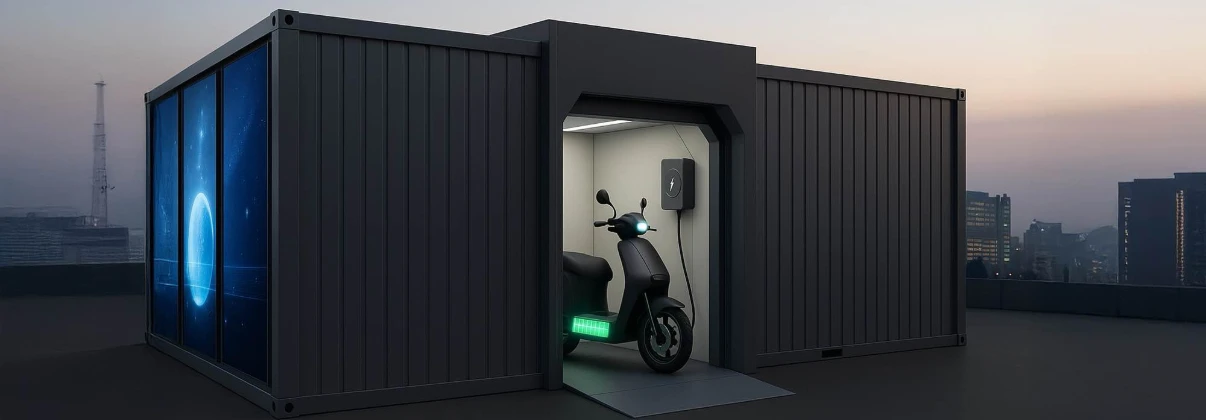
Fast charge
It can reach more than 100% within 12 minutes of charging at room temperature, while lithium iron phosphate batteries take about 45 minutes, and the fast charge characteristics of sodium-ion batteries can improve the efficiency and flexibility of industrial and commercial Shared Battery Swapping Station
Shared Battery Swapping Station
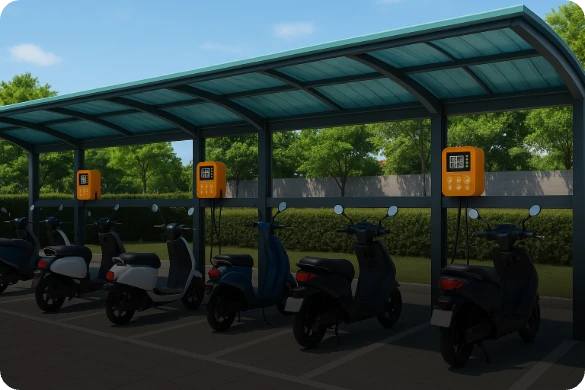
Battery swap station network layout
We plans to establish multiple battery swap stations at key nodes in northern cities to achieve rapid battery replacement services.
Intelligent scheduling system
It can monitor the battery status and vehicle location in real time to ensure the circulation and safe use of the battery, so that electric vehicle users can quickly change the battery in various parts of the city.
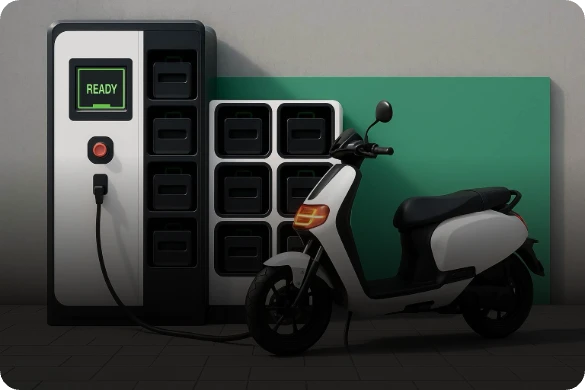
Convenient experience for users
Provide 24-hour unattended battery swap service, and users can quickly swap batteries through APP or applet, which greatly improves the user experience.

Environmental protection and sustainable development
The shared battery swap station solution reduces battery waste and promotes green travel, which is in line with the concept of sustainable development.
Energy storage power station - analysis of the advantages of sodium electric technology

It features good thermal stability and enhanced safety.
The sodium-ion battery has good structural stability, higher thermal runaway temperature, and higher safety and reliability.
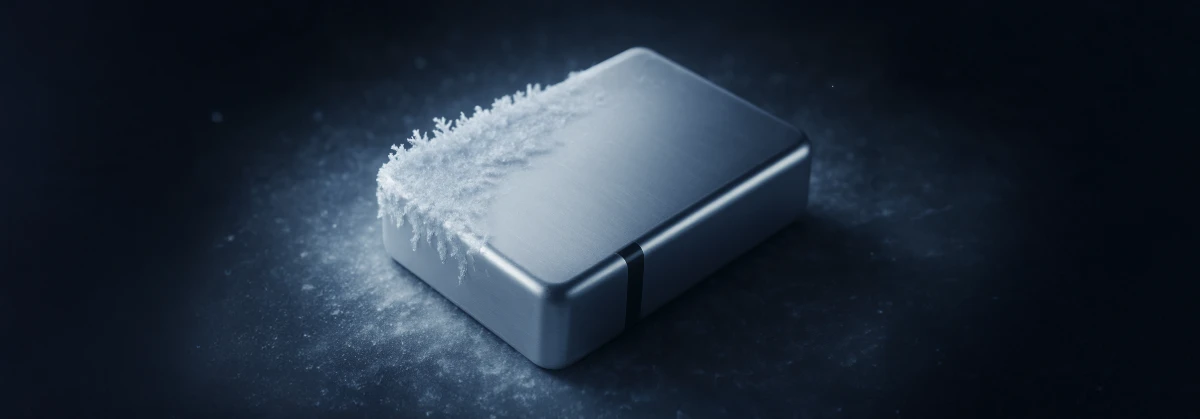
it is used in extremely cold environments and has a high capacity retention rate
In the environment of -40℃, the sodium capacitance remains nearly 80%, while the lithium iron phosphate battery is almost unchargeable, and sodium electricity is more suitable for the application of cold areas in the north;
0 V shipping, reducing transportation costs and risks
The sodium battery can be discharged to 0V, which has no impact on the performance of the battery, and can meet the 0V transportation, reducing the transportation cost and risk in the process;

Sodium is abundant and has a long lifespan
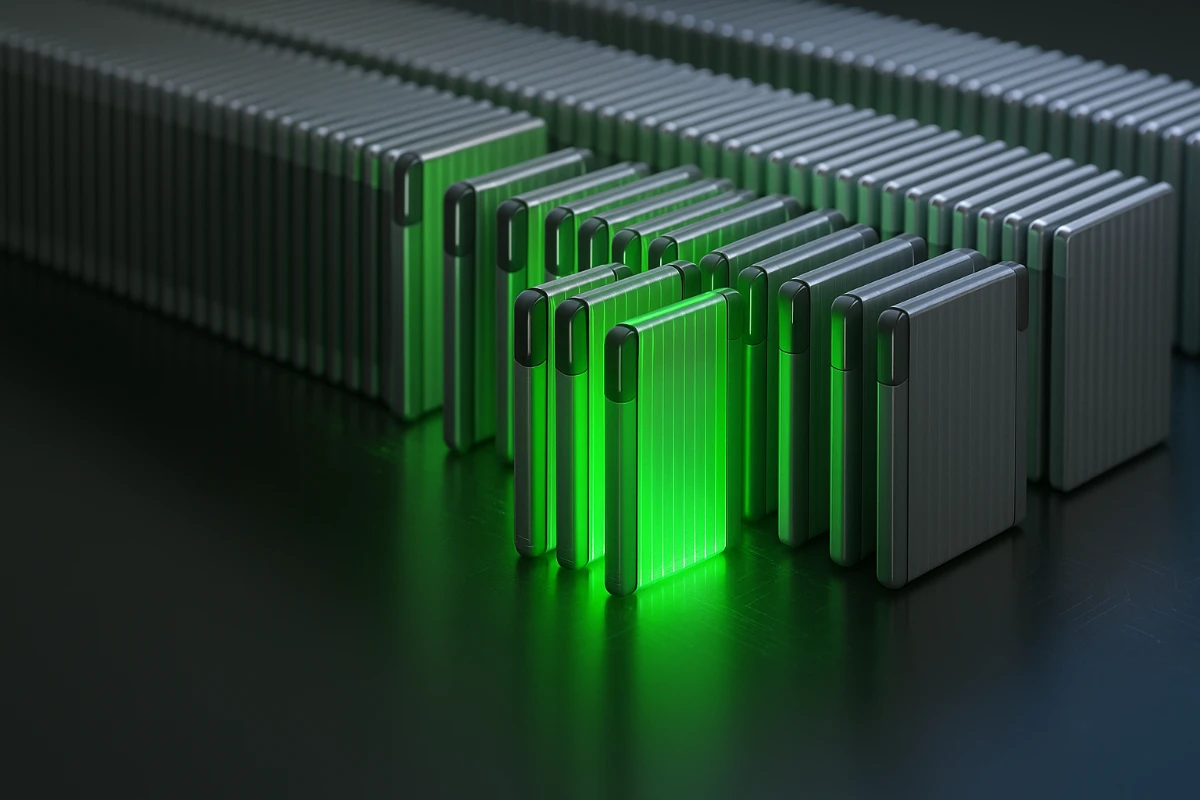
Sodium resources are abundant in the earth's crust, while lithium resources have the problems of tight supply and geographical concentration. Even during periods of fluctuating or tight supply of lithium resources, the production of sodium-electric energy storage can remain stable, ensuring that the construction and expansion of plant energy storage is not affected by resource shortages.
Easy maintenance and management
The cycle of the sodium electric energy storage system can reach more than thousands of times, for example, the cycle of our 32140 sodium battery can reach 4000-4500 times, which reduces the frequency of battery replacement, reduces maintenance workload and management costs. In addition, the sodium-electric energy storage system has a high degree of automation and can achieve 24-hour autonomous maintenance without a lot of manual participation.
Energy storage power station - market and policy aspects

The commercial-scale application window opens
Throughout 2024, the total scale of separate procurement of sodium-ion batteries in the energy storage field will reach 0.45GWh, far exceeding historical data. From the perspective of application demand, in previous years, hybrid energy storage technology was mainly used, and since 2024, the trend of purchasing sodium-ion battery energy storage power stations alone has increased.

Global Policy Support
Global policies strongly support energy storage development, with major countries like China, the U.S., Japan, and the EU introducing measures such as plans, subsidies, and R&D investments. China advances new energy storage through national and local strategies, targeting large-scale industrial growth by 2035. The U.S. focuses on long-duration storage funding and market integration, while Japan promotes decentralized energy systems and renewable adoption. The EU’s REPowerEU plan boosts efficiency, renewables, and storage to reduce fossil fuel reliance, with global regions like Australia adding subsidies to drive progress.
Base station power supply
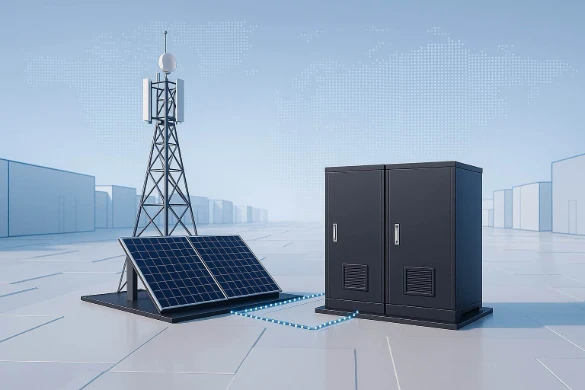
High reliability
The power supply of the base station needs to be uninterrupted for 24 hours, and regardless of high and low temperature weather, the wide temperature range performance of sodium power ensures the stability and reliability of the communication network.
Space and heat dissipation constraints
The base station space is limited, and the sodium power supply system is compact and has good heat dissipation performance, which is suitable for a compact installation environment.
High security
The power supply of the base station has high safety requirements, good sodium electrical stability, and is not prone to thermal runaway, which is suitable for the power supply system of key facilities such as base stations.
Long cycle
Sodium batteries have a long cycle and can withstand frequent discharge, making them suitable for base stations and other occasions that require long-term stable power supply.
Base Station Power Supplies – Case Study of Practical Applications
Reliability test of sodium base station power supply
In a remote area of Africa, the sodium battery successfully passed months of high temperatures and unstable power grid tests, ensuring uninterrupted communications.
Economic analysis of sodium electric base stations
In Southeast Asian countries, the cost-benefit analysis of sodium batteries as a power source for base stations shows that their initial investment and maintenance costs are lower than those of traditional lead-acid batteries.

Environmental adaptability of sodium base stations
In the technology base station in the Arctic Circle, sodium batteries perform well in extremely low temperature environments, solving the problem of degraded performance of traditional batteries.
Rapid deployment capability of sodium base stations
In the emergency post-disaster reconstruction in South America, the rapid deployment capability of sodium battery base stations is remarkable, providing timely communication support for the disaster area.
Long-term energy storage characteristics of sodium-electric base stations
Sodium batteries have a longer lifespan and better durability, reducing the number of battery replacements, which reduces long-term maintenance costs.
Power tools & Portable power supply

High power output requirements
For example, mobile power supply,electric drills, etc., require instantaneous high power output to ensure work efficiency and performance.

Working for long periods of time or idle
For example, chainsaws and lawn mowers need stable power supply for a long time during long-term use, or long-term idle causes battery aging, leakage or bulging.
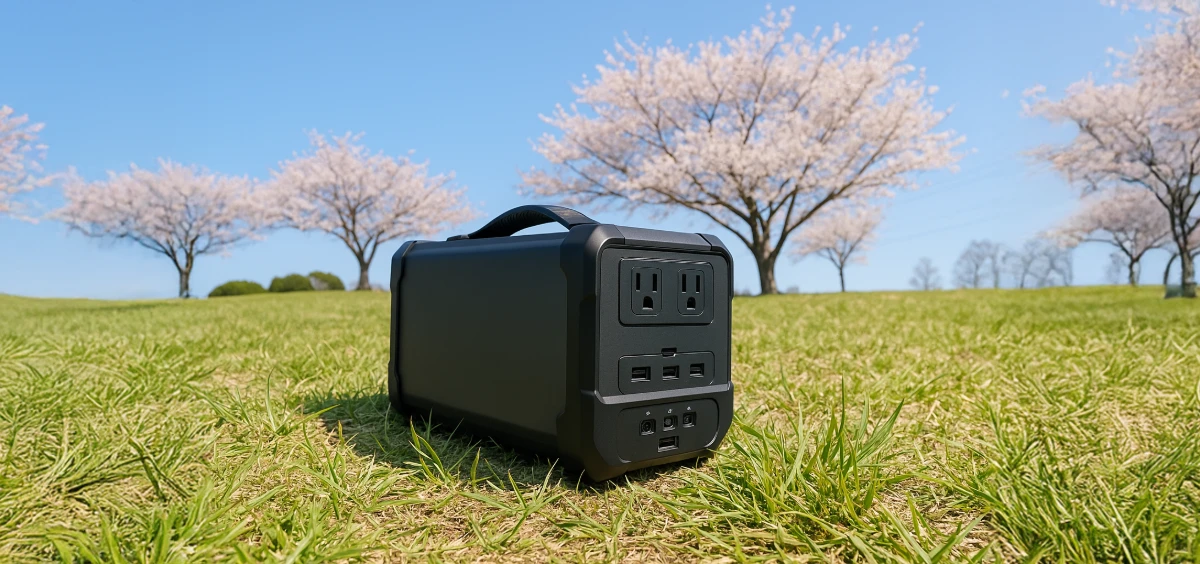
Portability and security
Portable requires a lightweight and safe power supply to adapt to a variety of work and outdoor environments, reducing the burden on users.
Wuxi Anna Energy Technology Co., Ltd. 3rd Floor, Workshop 884-1, Liyuan Development Zone, Binhu District, Wuxi City, Jiangsu Province, China
Copyrights © 2025 Anna Battery. All rights reserved.
